Kalorien und Nährwerte
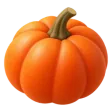
Hokkaido-Kürbis
Auch bekannt als: Kürbis
100 g Hokkaido-Kürbis haben 30 kcal, 1,4 g Eiweiß, 5,3 g Kohlenhydrate und 0,2 g Fett. 1 Portion (200 g) hat 60 kcal.
- Kohlenhydrate 75 %
- Eiweiß 19 %
- Fett 6 %
 60
 11 g
 2,8 g
Der Health Score aus der ClemCam-App: 1 bis 10, berechnet nach dem Nutri-Score (2023) pro 100 g.
Nährwerte
| Nährwerte | pro 100 g | 1 Portion (200 g) |
|---|---|---|
| Energie | 30 kcal 126 kJ | 60 kcal 251 kJ |
| Fett | 0,2 g | 0,4 g |
| davon gesättigte Fettsäuren | 0,05 g | 0,1 g |
| Kohlenhydrate | 5,3 g | 11 g |
| davon Zucker | 4,6 g | 9,2 g |
| Ballaststoffe | 0,78 g | 1,6 g |
| Eiweiß | 1,4 g | 2,8 g |
| Salz | 0,02 g | 0,04 g |
Vitamine
| Nährwerte | pro 100 g | % Referenzmenge |
|---|---|---|
| Vitamin A | 533 µg | 67 % |
| Vitamin B1 | 0,09 mg | 8,2 % |
| Vitamin B2 | 0,06 mg | 4,3 % |
| Niacin (B3) | 1,7 mg | 10 % |
| Vitamin B6 | 0,11 mg | 7,9 % |
| Folat | 56 µg | 28 % |
| Vitamin C | 14 mg | 18 % |
| Vitamin E | 1 mg | 8,3 % |
| Vitamin K | 4 µg | 5,3 % |
Mineralstoffe
| Nährwerte | pro 100 g | % Referenzmenge |
|---|---|---|
| Calcium | 32 mg | 4 % |
| Eisen | 0,49 mg | 3,5 % |
| Magnesium | 17 mg | 4,5 % |
| Zink | 0,28 mg | 2,8 % |
| Kalium | 407 mg | 20 % |
| Phosphor | 37 mg | 5,3 % |
| Jod | 1,4 µg | 0,9 % |
Pro 100 g mindestens 15 % der Referenzmenge an: Vitamin A, Folat, Vitamin C, Kalium.
Referenzmenge für Erwachsene nach EU-Verordnung 1169/2011 (Ballaststoffe 30 g und Salz 6 g nach DGE). Nur Werte über 0 werden gezeigt.
Im Vergleich
Andere Lebensmittel aus Gemüse, pro 100 g.




Nächstes Mal einfach fotografieren.
Mach ein Foto von deinem Teller und ClemCam erkennt jedes Lebensmittel, schätzt die Portion und rechnet Kalorien, Eiweiß, Kohlenhydrate und Fett aus. Mit denselben BLS-Werten wie hier.

Häufige Fragen
Wie viele Kalorien hat 1 Portion (200 g) Hokkaido-Kürbis?
1 Portion (200 g) Hokkaido-Kürbis hat 60 kcal, mit 2,8 g Eiweiß, 11 g Kohlenhydraten und 0,4 g Fett.
Wie viel Eiweiß hat Hokkaido-Kürbis?
Hokkaido-Kürbis hat 1,4 g Eiweiß pro 100 g. Das sind 19 % der Kalorien.
Wie viele Kohlenhydrate hat Hokkaido-Kürbis?
Hokkaido-Kürbis hat 5,3 g Kohlenhydrate pro 100 g, davon 4,6 g Zucker und 0,78 g Ballaststoffe.
Quelle: Bundeslebensmittelschlüssel (BLS) 4.0, Max Rubner-Institut (2025), Lizenz CC BY 4.0. Werte je 100 g essbarer Anteil, BLS-Code G581000. Portionsgrößen sind typische Mengen; Werte pro Portion, Anteile und Health Score hat ClemCam daraus berechnet.